
Upingbio is dedicated to the R&D of fully automated testing reagents and has introduced fully automated testing into the field of scientific research, offering numerous advantages:
1. Exceptional testing throughput.
The company offers a comprehensive range of fully automated biochemistry analyzers (with processing speeds of 2,000, 800, and 400 tests per hour) and magnetic particle chemiluminescence analyzers (with speeds of 600 and 200 tests per hour).
This robust instrumentation and high throughput drastically shorten experimental cycles and significantly boost efficiency, enabling customers to obtain accurate results in a very short time.
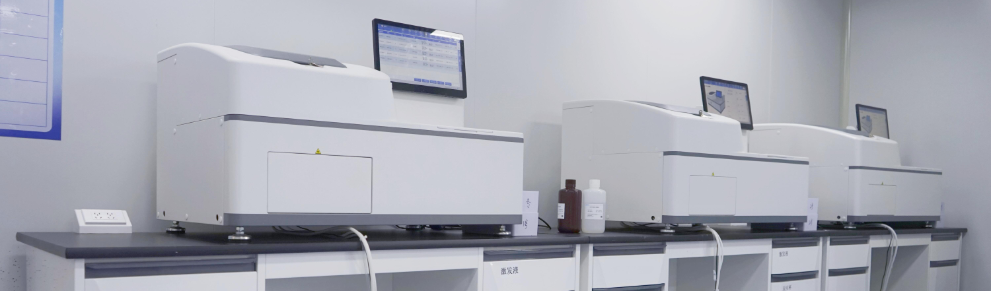
II. Exceptional testing accuracy. By utilizing fully automated instrumentation and adhering to standardized operating procedures, Youpin Bio executes all operations with precision, minimizing errors associated with manual handling and ensuring the accuracy of experimental data.
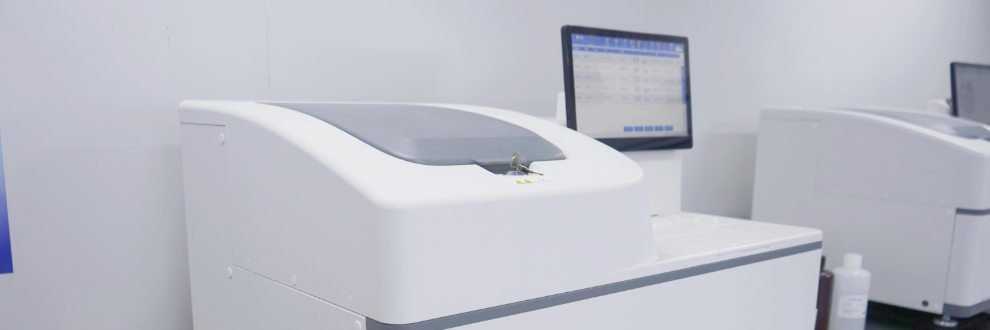
III. Higher sensitivity and reproducibility. Youpin Bio utilizes a magnetic microparticle chemiluminescence platform; the developed kits have undergone rigorous validation, ensuring stable and reliable quality, high sensitivity, and excellent reproducibility.
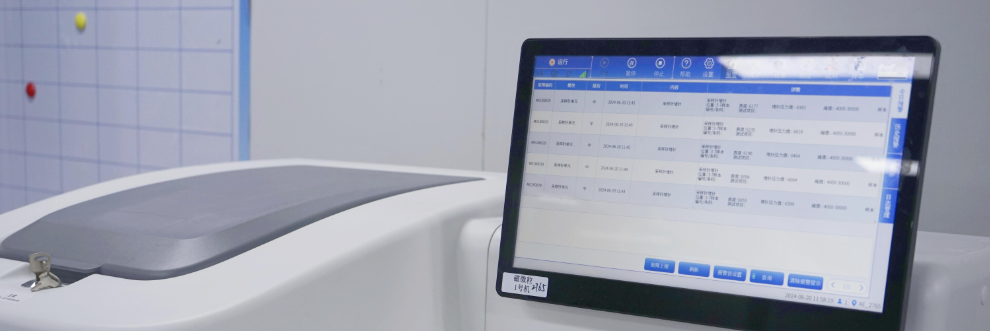
The differences between Upingbio's fully automated and semi-automated biochemistry analyzers lie in their level of automation, sample processing capacity, operational efficiency, washing functions, batch processing capabilities, testing speed, accuracy, requirements for auxiliary equipment, and the extent of manual intervention needed. Both types of instruments have their own advantages; the choice depends primarily on the specific operational requirements.
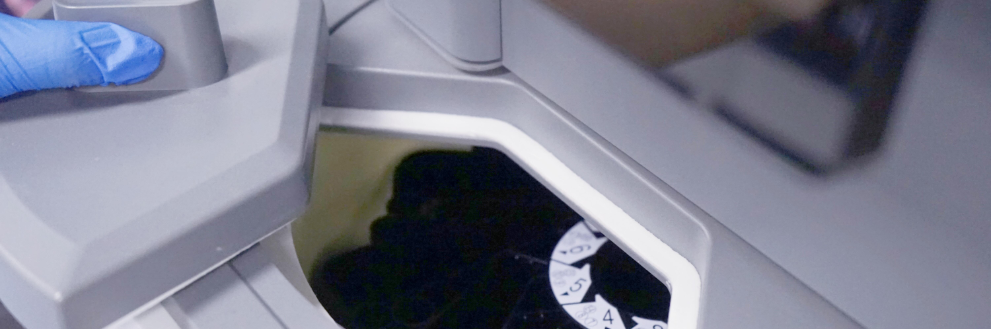
1. Level of automation: Fully automated biochemical analyzers are equipped with an automatic sampler capable of drawing serum directly from whole blood cartridges for testing, whereas semi-automated analyzers require manual sample loading.
2. Sample processing capacity: Fully automated instruments can typically process 200–300 samples at a time, while semi-automated instruments have a smaller capacity of approximately 40 samples.
3. Operational efficiency: Fully automated instruments can test 200 samples within two hours, taking just 0.6 seconds per sample; semi-automated instruments require about 5–6 minutes per sample.
4. Cleaning function: Fully automated instruments feature an automatic cleaning system, whereas semi-automated ones rely on simple manual cleaning methods.
5. Batch processing: Fully automated instruments can automatically process multiple samples simultaneously, while semi-automated instruments can only process one sample at a time.
6. Testing speed: The testing speed of fully automated instruments is significantly faster than that of semi-automated instruments.
7. Testing accuracy: Results from fully automated instruments are generally more accurate and convenient to obtain.
8. Ancillary equipment requirements: Fully automated instruments have built-in temperature control systems and require a centrifuge; semi-automated instruments require an external centrifuge and a constant-temperature water bath.
9. Manual intervention: Fully automated instruments minimize manual operation, thereby reducing human error; semi-automated instruments involve more manual handling, increasing the likelihood of error.
